
Benchmark Blog
Quartz, Granite, or Something Else: Countertops for a NH Kitchen
June 25, 2026 · By Lee Veader Sr. , Founder
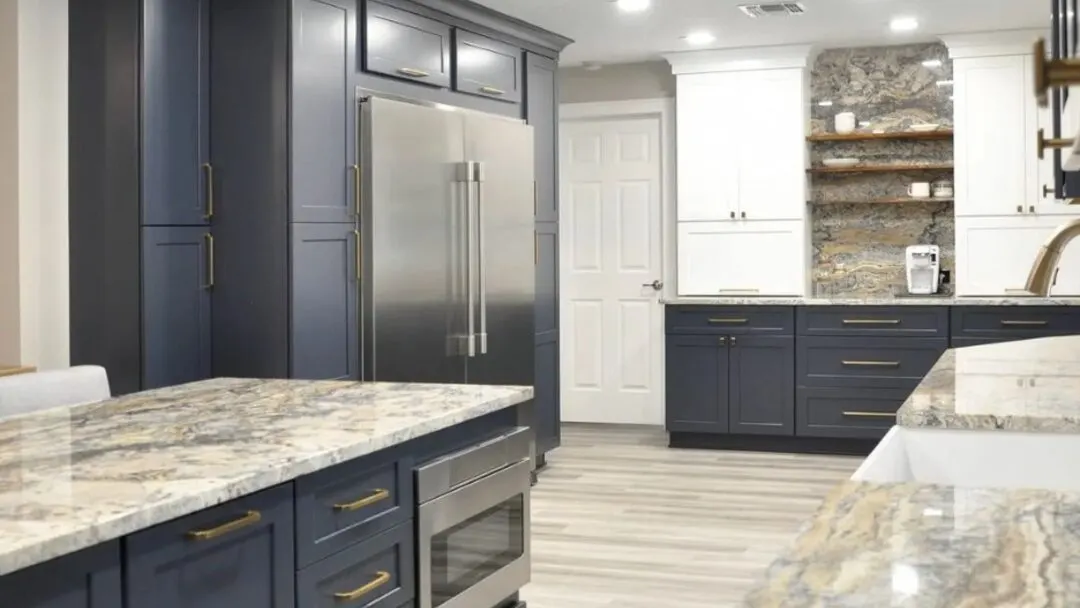
Once the cabinets are decided, the countertop is usually the next big choice, and it is the surface you will touch, wipe down, and lean on every single day for the next two decades. The marketing around stone gets loud, so here is the honest comparison, with no brand we are trying to sell you.
Quartz: the low-maintenance favorite
Quartz is engineered stone, ground natural quartz bound with resin and color. Because it is manufactured, it is consistent, nonporous, and it never needs sealing. For most busy Seacoast kitchens, that low-maintenance quality is exactly why it has become the most popular choice.
The honest tradeoff: the resin that makes quartz so durable does not love direct heat, so you want a trivet under a hot pan rather than setting it straight on the surface. Beyond that, it shrugs off stains and daily use about as well as anything on the market.
Granite: natural and one of a kind
Granite is the real thing, natural stone cut from the earth, which means no two slabs are identical. If you want a surface with genuine depth and movement that nobody else has exactly, granite delivers it. It also handles heat better than quartz.
The tradeoff is a little upkeep: granite is porous, so it should be sealed periodically to resist stains. It is not difficult, just a small ritual every so often. For homeowners who love the idea of a truly unique surface and do not mind that minor maintenance, granite is hard to beat.
The other options, honestly
- Marble is beautiful to look at and the most high-maintenance of the popular stones. It is soft and porous, so it stains and etches from acidic things like lemon and wine. We will install it happily if you go in knowing it will develop a lived-in patina. It is not the choice for someone who wants it to look factory-new in ten years.
- Butcher block brings warmth and is friendly to the budget, but it needs oiling and is not where you want your main sink area.
- Solid surface and laminate have improved a lot and can make sense in the right project or budget, though they do not carry the longevity or resale appeal of stone.
What actually drives the cost
Countertops are usually one of the bigger material costs after cabinetry, and the number moves with two things: the material and the rarity of the specific slab. Quartz and granite often land in a similar range, while exotic natural stones, thicker edges, and big waterfall islands push it higher. A waterfall edge on an island, where the stone runs down the side to the floor, looks great and uses considerably more material, so it is worth pricing deliberately.
You can see how countertops fit into the whole picture in our kitchen cost guide.
The simplest way to choose
Photos lie, a little. Stone reads completely differently in your own kitchen’s light than on a screen or under showroom spotlights. The best thing you can do is see full slabs in person before you commit, because you are choosing a specific piece of stone, not just a category.
That is part of what we do during selections for a kitchen remodel: we help you compare real materials against your cabinets and your light, so the surface you live with is one you chose with your own eyes. Get a custom estimate in about two minutes below to get started.