
Guide
Do You Need a Permit for a Kitchen or Bath Remodel in NH?
When a Seacoast NH kitchen or bath remodel needs a permit, who pulls it, what inspections to expect, and why skipping it costs you later. Plain English.
By Ian Veader, Field Production Lead · Last updated June 25, 2026
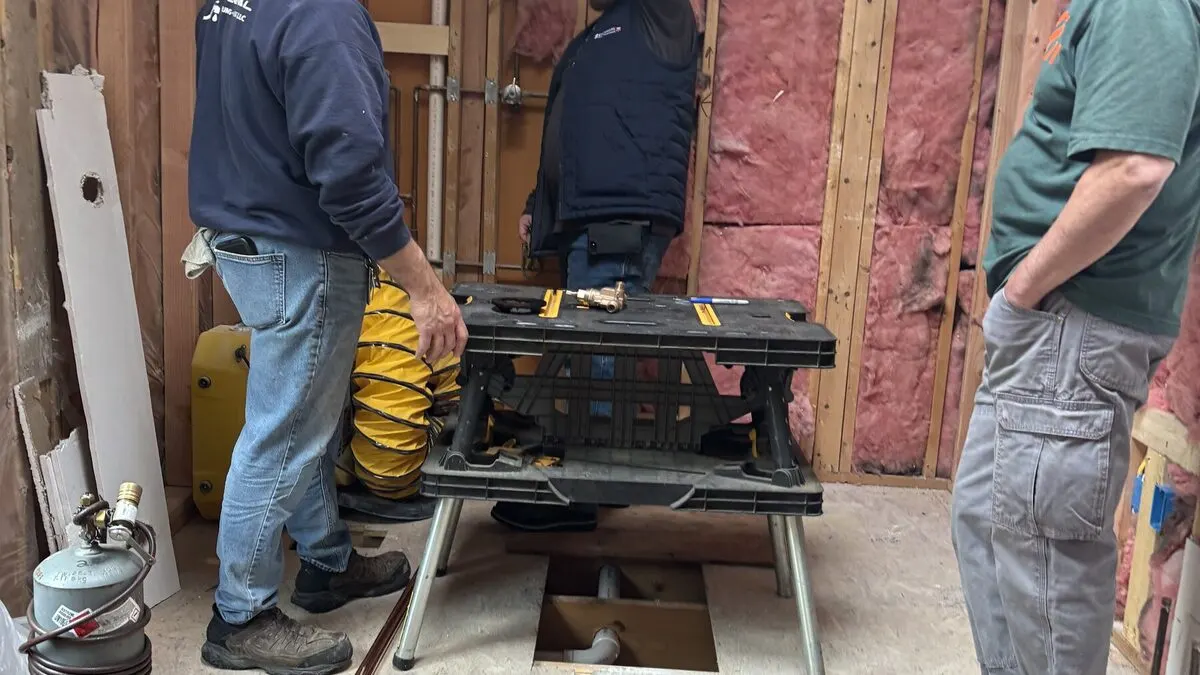
It is one of the most common questions homeowners type into a search bar before a remodel, and the honest answer is short: for a full kitchen or bathroom remodel, you almost always need a permit, and you usually do not need to think about it because your contractor handles it. Here is what is actually going on, so you understand what you are paying for and why it protects you.
When a remodel needs a permit
The simple rule: if the project changes the bones of the room, it needs a permit. If it only changes the surface, it usually does not.
Generally needs a permit:
- Moving or adding plumbing (relocating a sink, adding a shower, moving a gas line)
- Electrical changes (new circuits, moving outlets, adding lighting)
- Removing or moving walls, or any structural change
- A full gut remodel, which involves all of the above
Generally does not need a permit:
- Paint, hardware, and cosmetic updates
- Swapping a faucet, light fixture, or appliance like-for-like
- New countertops on existing cabinets, in most towns
Because nearly every full kitchen or bathroom remodel involves plumbing, electrical, or layout changes, the practical answer for the projects we do is that a permit is part of the job.
New Hampshire sets this at the town level
This is the part that confuses people. New Hampshire does not run a single statewide building permit office. The state has adopted base building and energy codes, but the permits, fees, inspections, and the finer rules are administered by each town’s building department.
That means Newmarket, Exeter, Portsmouth, Dover, Durham, Stratham, and Hampton each have their own counter, their own fee schedule, and their own inspectors. A remodeler who works across the Seacoast already knows how each town operates, which is one less thing for you to figure out.
Who pulls it, and what it costs
As your contractor, we pull the permits and schedule the inspections. You will not be standing in line at town hall or filling out applications. That is simply part of how we run a project.
On cost, we will give you a straight number rather than a dodge: for most kitchen and bath remodels, permit fees run from a couple hundred dollars up to around fifteen hundred, depending on the town and the scope. Larger and structural projects land higher. Either way, the permit cost is built into your fixed-price proposal, so it is named up front and never appears as a surprise. You can see how we handle the rest of the budget in our cost guides.
What inspections actually check
Permitted work gets inspected at the points where problems hide behind finished surfaces. On a typical remodel, an inspector looks at the rough-in (the plumbing, electrical, and framing) while the walls are still open, and then again at the finished work. It adds a little time to the schedule, and it is the reason a permitted remodel is one you never have to worry about later.
Why skipping the permit is the expensive choice
Some homeowners are tempted to skip permits to save a little time or money. It is a bad trade, for three concrete reasons:
- It can break a future sale. Buyers and their lenders ask about permits. Unpermitted work can delay or sink a closing, or force you to retroactively permit and open up finished walls.
- It can void an insurance claim. If unpermitted work is tied to a fire or a water loss, an insurer can deny the claim.
- It can mean tearing finished work back open. A town that finds unpermitted work can require it to be inspected after the fact, which sometimes means opening tile and walls you just paid to finish.
A permit is one of the cheapest forms of protection in the entire project. Doing it right the first time is the whole point of hiring a 25-year remodeler who knows these towns. If you are planning a kitchen or bath and want it done properly, permits and all, get a custom estimate in about two minutes below, or tell us about your project.
Common Questions
Frequently Asked
- Do I need a permit to remodel my kitchen or bathroom in New Hampshire?
- Usually yes for a full remodel. Any project that moves or adds plumbing, electrical, or walls needs a building permit, and electrical and plumbing work pull their own permits on top of that. Purely cosmetic swaps, like new paint, hardware, or a like-for-like faucet, generally do not. New Hampshire has no statewide building code office, so the exact rules are set by your town.
- Who pulls the permit, me or the contractor?
- We do. As your contractor, Benchmark handles the permit applications and schedules the inspections as part of the project. You do not need to visit town hall or manage the paperwork.
- How much does a remodel permit cost?
- It varies by town and by the size of the job. For most kitchen and bath remodels it runs from a couple hundred dollars up to around fifteen hundred, with larger or structural projects on the higher end. We include permit costs in your fixed-price proposal so it is never a surprise line item.
- What happens if I remodel without a permit?
- It can cost you in three ways. Unpermitted work can stall or kill a future home sale, a homeowner's insurance claim can be denied if the work was not permitted and inspected, and a town can require you to open up finished walls to inspect what is behind them. The permit is cheap insurance against all three.
- Do older Seacoast homes need anything extra?
- Often. Homes built before 1978 can contain lead paint, which triggers EPA Lead-Safe work practices. Benchmark is an EPA Lead-Safe Certified firm, so older homes are handled correctly. Older homes also more frequently need electrical or plumbing brought up to current code once the walls are open, which is part of why permits and inspections exist.
- Which Seacoast towns set the rules?
- Each town runs its own building department, so Newmarket, Exeter, Portsmouth, Dover, Durham, Stratham, Hampton, and the rest each have their own requirements, fees, and inspectors. We work across all of them and handle the specifics for wherever your home is.
About the author
Ian Veader, Field Production Lead
Ian Veader leads field production at Benchmark Home Improvements, the project manager on site who runs the crew, confirms the layout before demo, and keeps homeowners updated through the build. He came up on the job sites, learning the trade hands-on.
Schedule a Site Visit →Ready When You Are
Two Ways to Start
Get your custom estimate online in 2 minutes, or leave us a message. Our team will connect with you within 24 hours.